
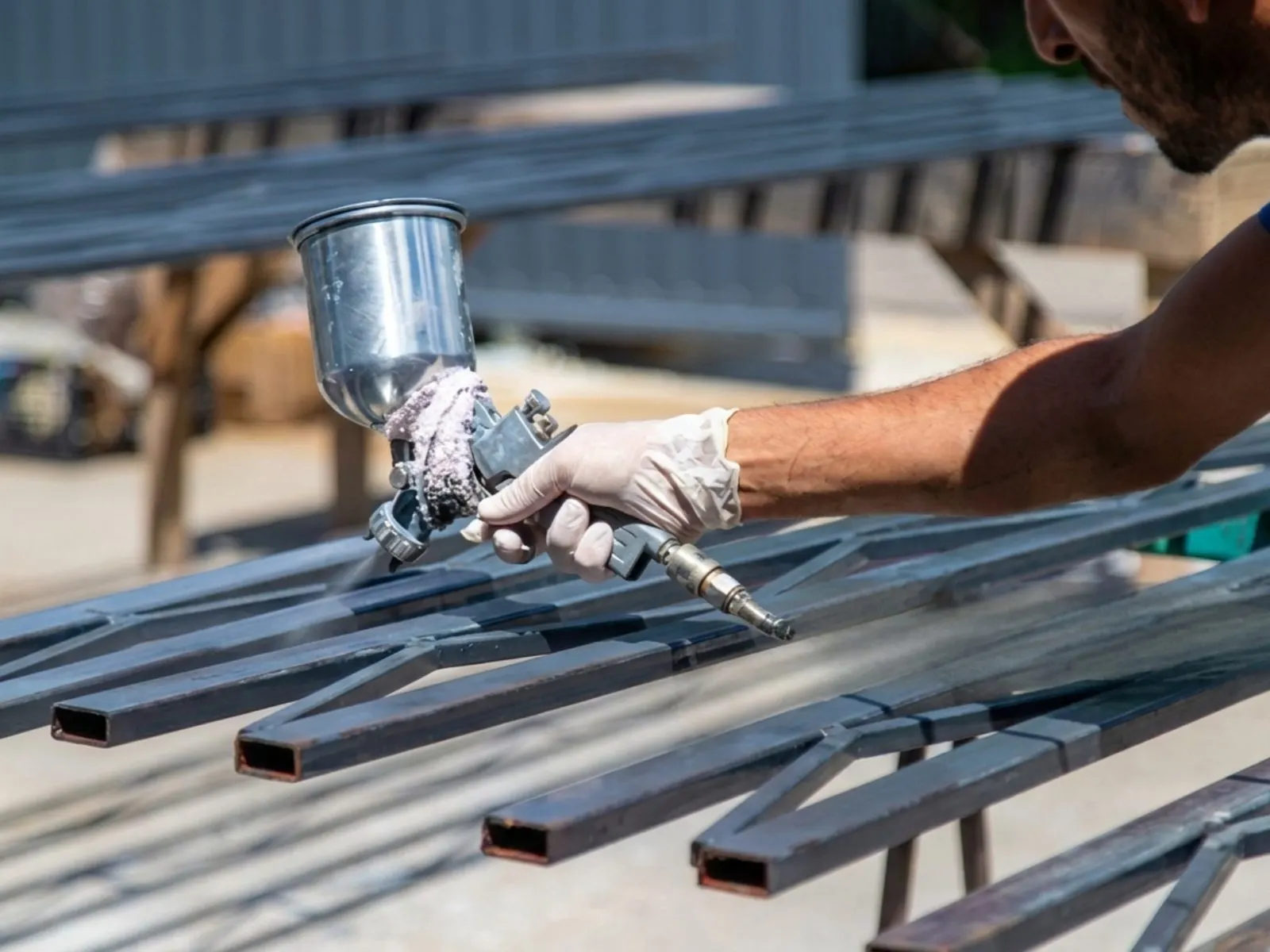
Elevator doors, metal doors and frames, railings, flag poles, architectural metal, traffic lights, lockers and equipment — refinished in place with electrostatic application: the coating is electrically charged, so it wraps the metal in a smooth, even, hard film instead of sitting on it.
 ★★★★★100 Google reviews · 5.0Licensed, insured & BBB accredited
Every metal surface is fully cleaned and degreased first — no coating grips a contaminated surface.
Chalky oxide and surface corrosion come off completely; coating over them is why metal finishes fail.
Smooth, non-porous metal is abraded and primed as the surface requires, so the finish has something to hold.
The coating is electrically charged and drawn to the grounded metal — even coverage around edges and profiles, with minimal overspray.
Hard, corrosion-resistant systems specified for aluminum and steel in coastal environments.
Surfaces, prep, products and timeline on paper before work starts — covered by our written workmanship warranty.
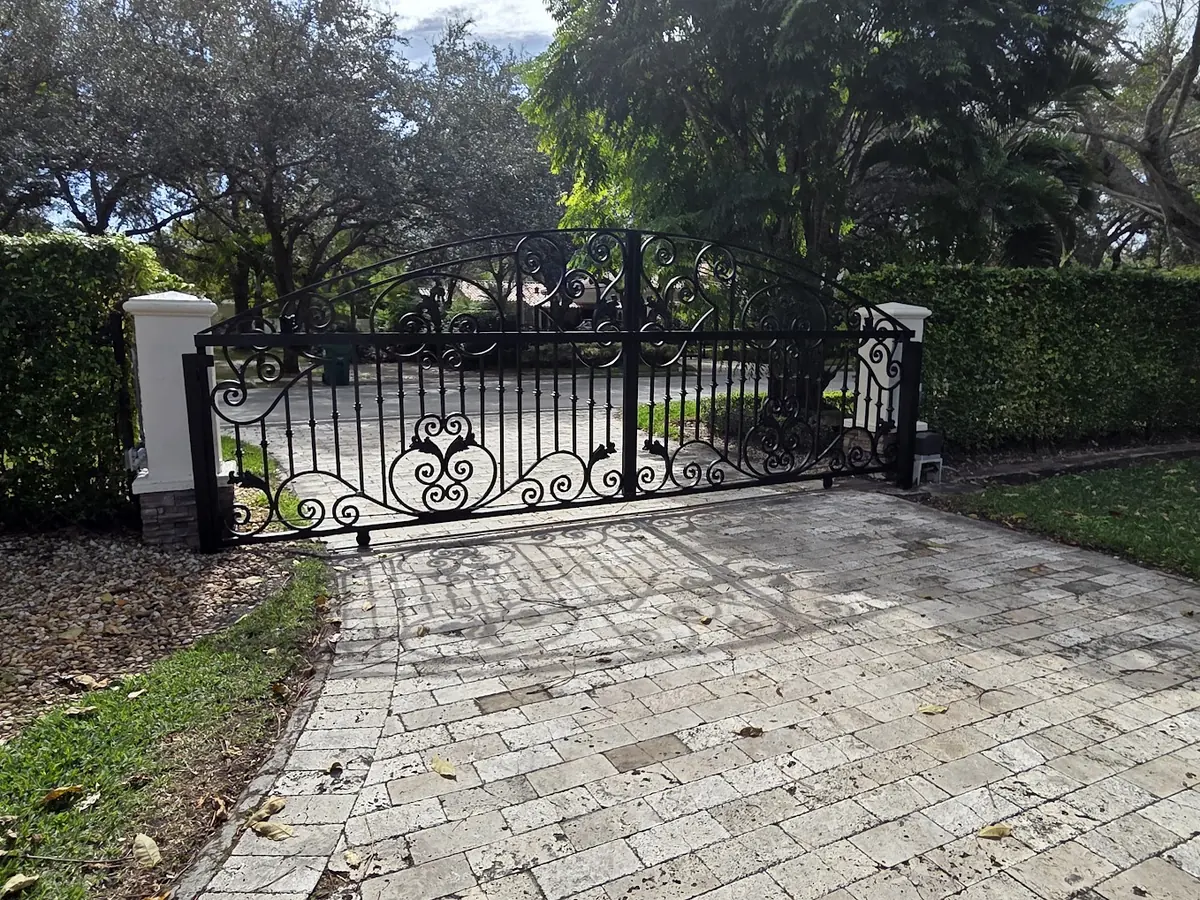
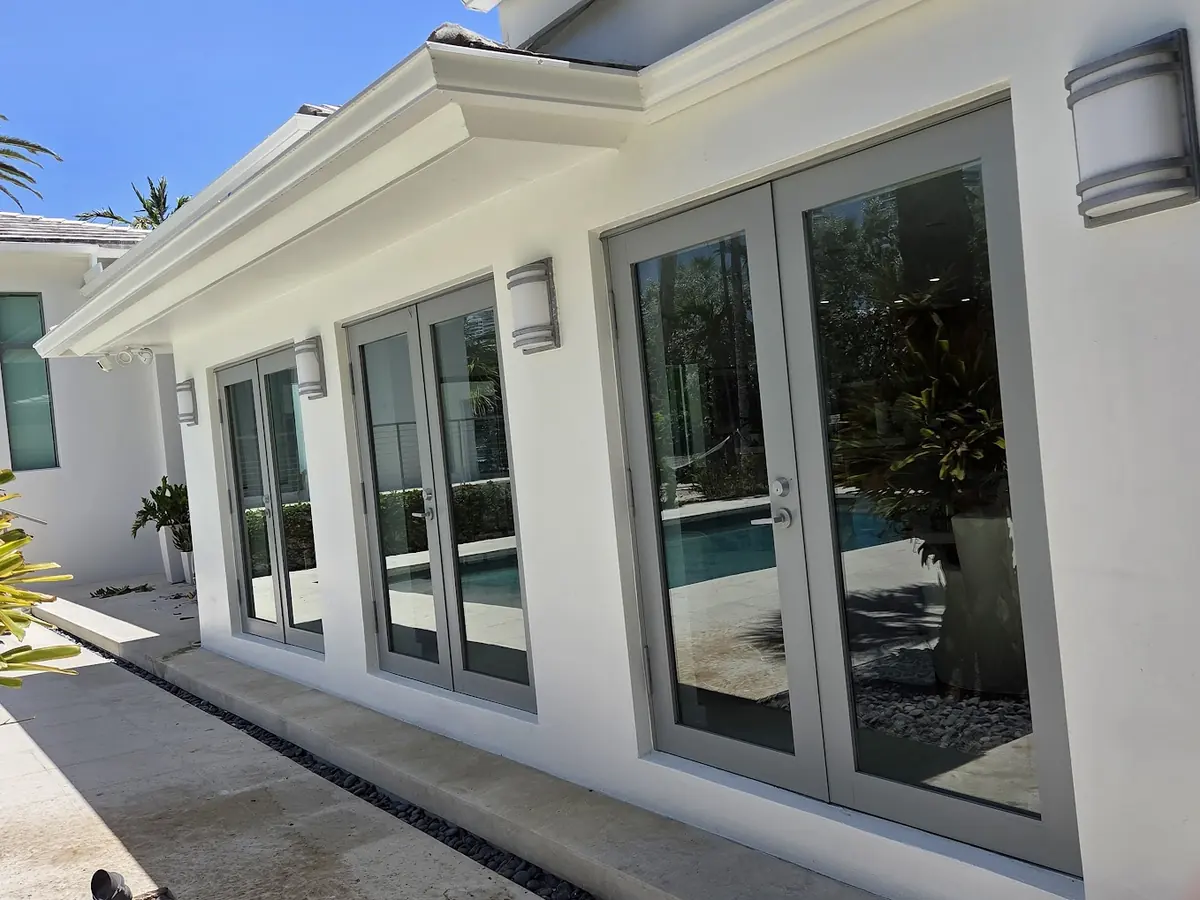
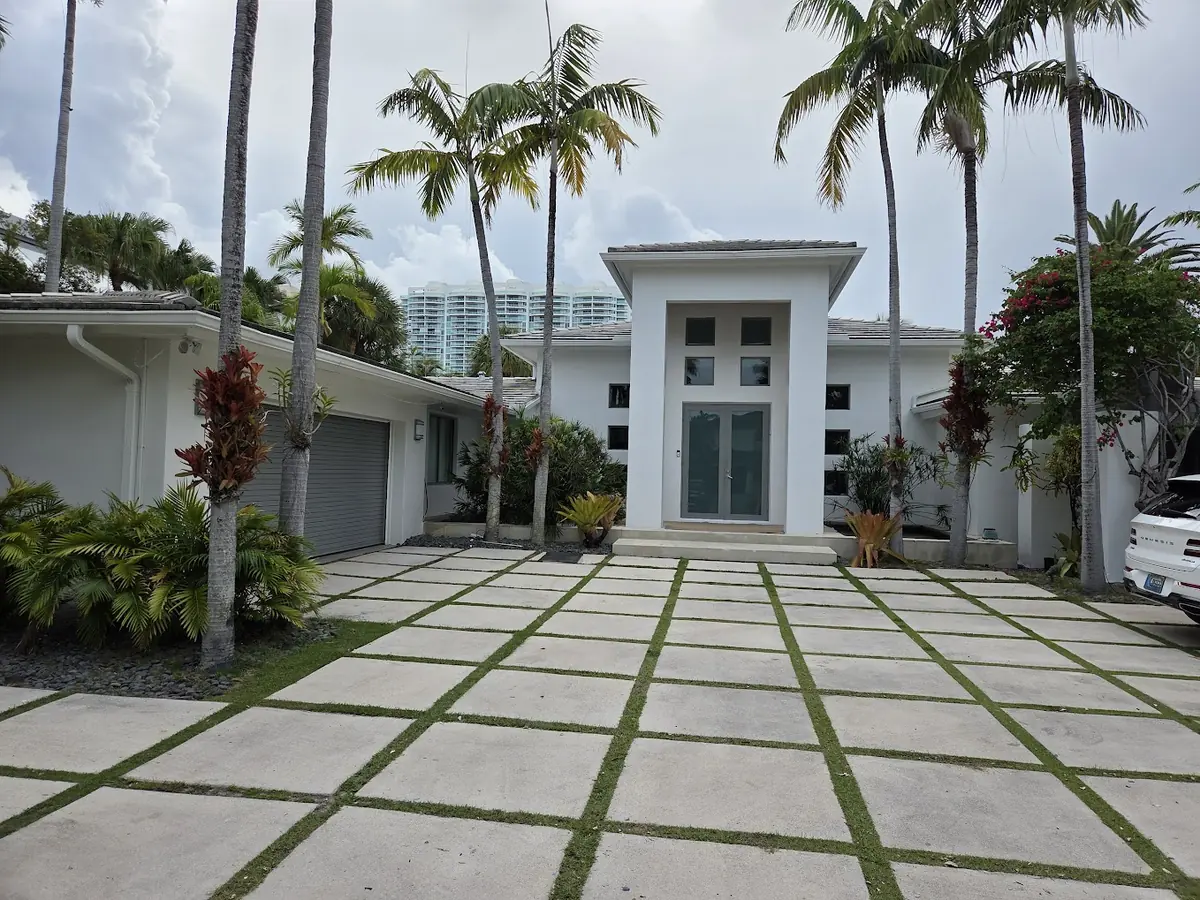
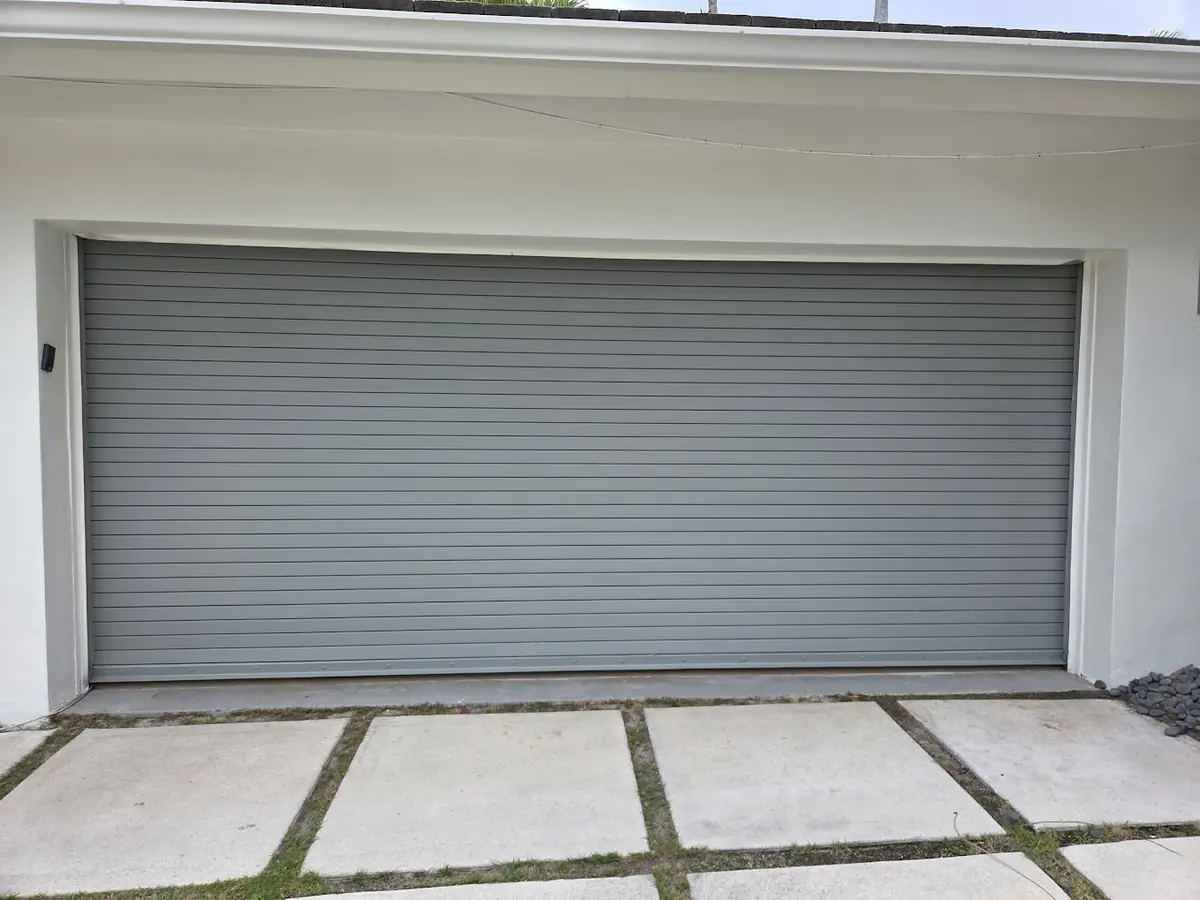
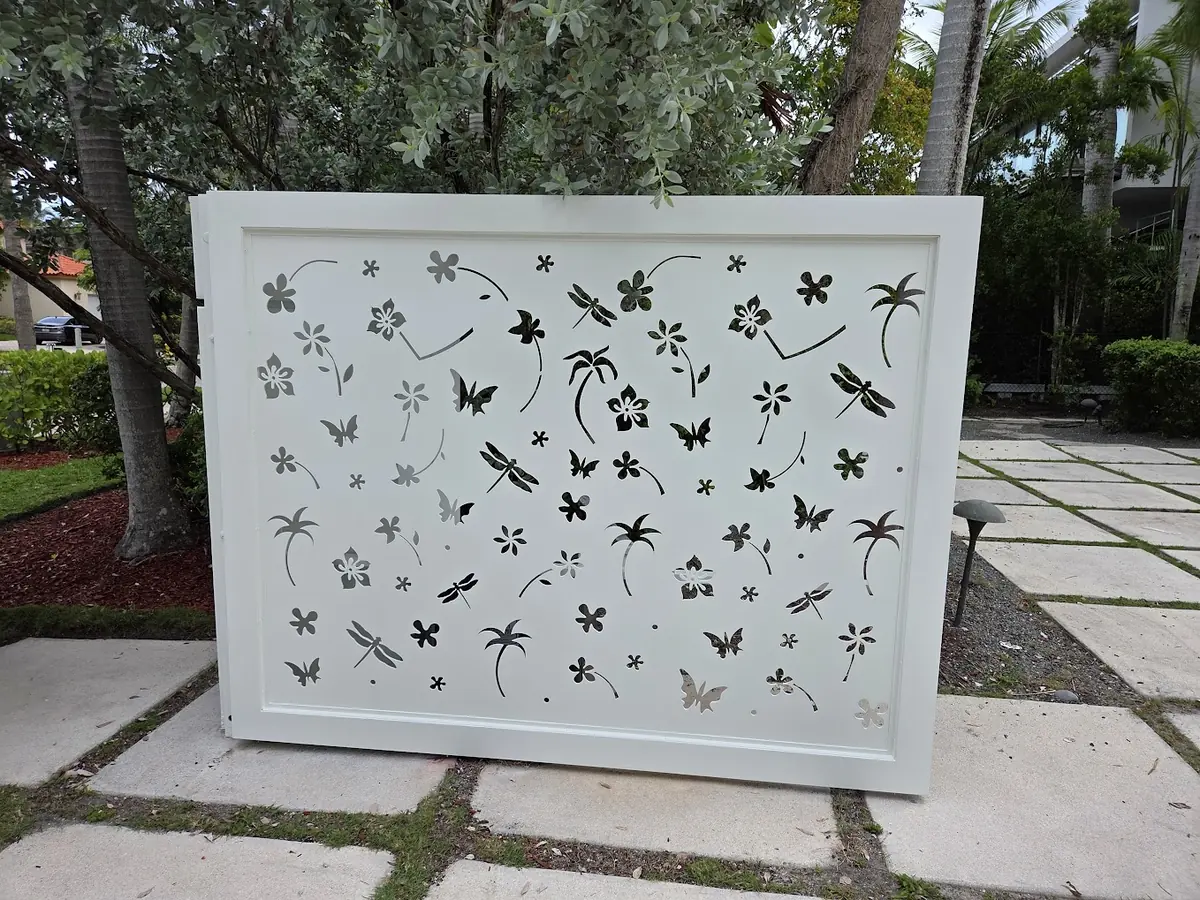
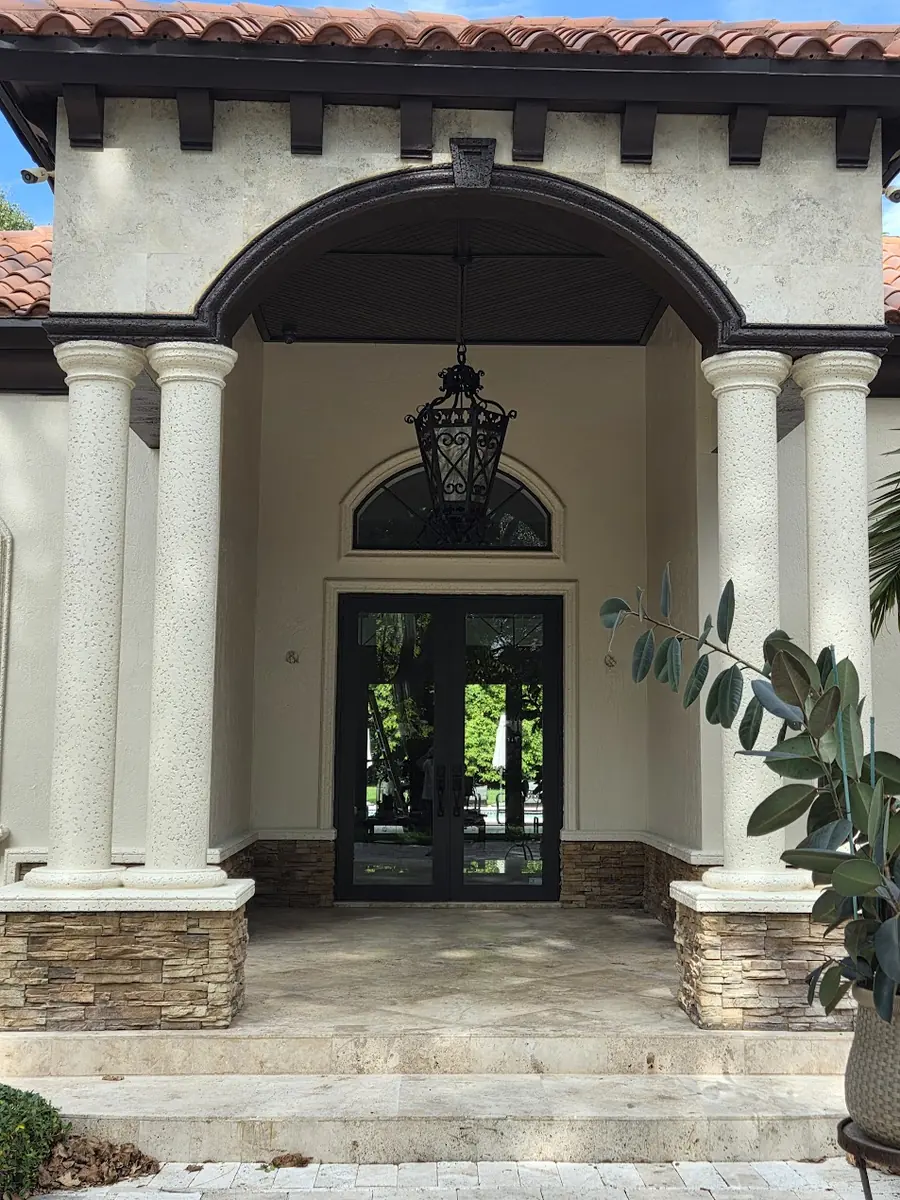
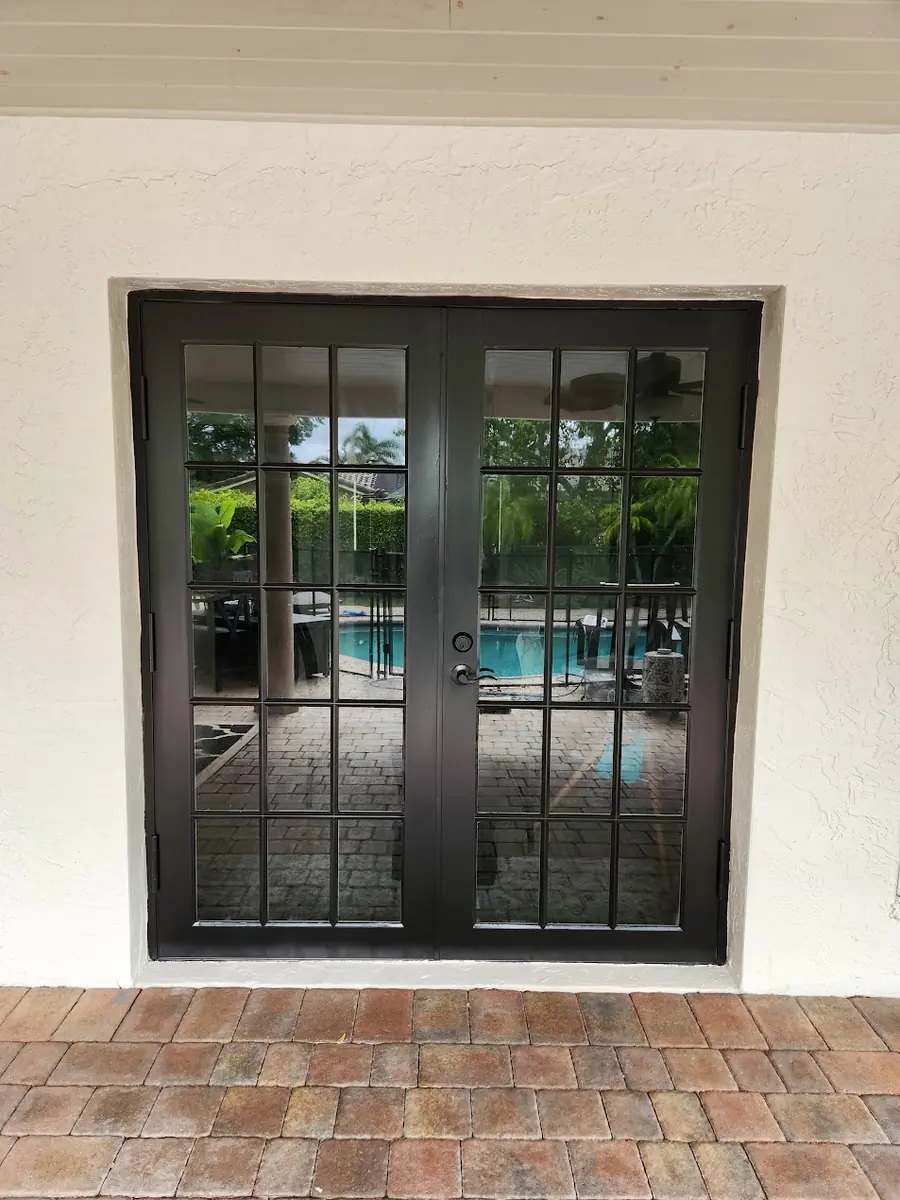
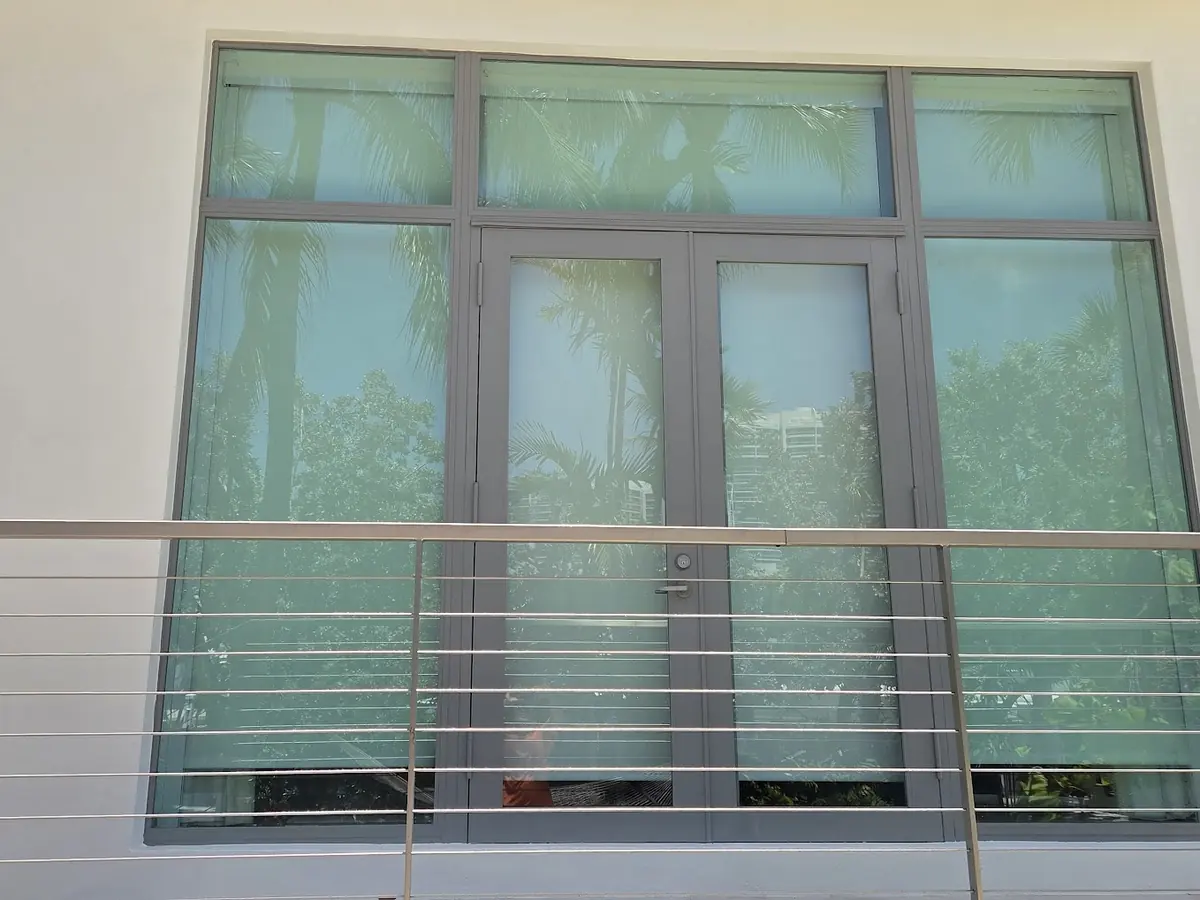
Charged paint particles are attracted to the grounded surface, so the film wraps railings, frames and profiles evenly — front, edges and returns — and cures to a smooth, hard finish. It is how metal gets a factory-quality coat without leaving the building.
An application method for metal: the coating is given an electrical charge and the surface is grounded, so the paint is drawn onto the metal and wraps it in a smooth, uniform film — a factory-style finish applied on site, with minimal overspray.
Elevator doors, metal doors and frames, railings, flag poles, architectural metal, traffic lights, lockers and equipment — aluminum and steel alike, indoors and out.
Smooth, non-porous metal gives conventional paint little to hold, and sprayed coats land unevenly around edges and profiles. Electrostatic application pulls the coating onto every face of the surface, which is what makes the finish last — especially in coastal air.
On-site evaluation, surface assessment, recommended coatings, number of coats and timeline — written out before anything starts.